
Earthquake Hazard Prevention: Use Of Shock Transmission Units In Modern Infrastructure
15 May 2026
Earthquake Hazard Prevention: Use Of Shock Transmission Units In Modern Infrastructure
Earthquakes are among the most destructive natural disasters, causing severe damage to buildings, bridges, highways, and industrial structures. The sudden release of seismic energy generates intense ground shaking that can lead to structural collapse, landslides, and major infrastructure failures. As urban development continues to expand in seismic zones, the importance of earthquake hazard prevention has become more critical than ever. Engineers, architects, and construction professionals are constantly adopting advanced technologies and safety systems to reduce the impact of earthquakes and protect human lives.
One of the most effective solutions used in modern seismic-resistant construction is the implementation of Shock Transmission Units (STUs), expansion joints, and other earthquake protection systems. These technologies help structures absorb, control, and redistribute seismic forces, ensuring greater structural stability during earthquakes.
Understanding Earthquake Hazards
Earthquake hazards refer to the risks and destructive effects caused by seismic activity. These hazards include:
- Ground shaking
- Structural failure
- Soil liquefaction
- Landslides
- Bridge displacement
- Cracks in buildings and foundations
The intensity of these hazards depends on factors such as earthquake magnitude, soil conditions, structural design, and proximity to fault lines. In highly seismic regions, poorly designed structures are extremely vulnerable to collapse, leading to heavy economic losses and loss of life.
For this reason, earthquake hazard management is now a major focus in infrastructure planning and civil engineering projects worldwide.
Importance of Earthquake-Resistant Infrastructure
Modern infrastructure must be capable of withstanding dynamic seismic forces without experiencing catastrophic failure. Earthquake-resistant construction involves designing structures that can flex, absorb vibrations, and maintain stability during seismic events.
Key objectives of earthquake-resistant design include:
- Minimizing structural damage
- Preventing collapse
- Protecting occupants and equipment
- Reducing repair costs
- Ensuring operational continuity after earthquakes
Governments and engineering authorities across the world have established strict building codes and seismic design standards to improve public safety. These codes require engineers to incorporate advanced seismic protection systems in bridges, flyovers, industrial plants, pipelines, and high-rise buildings.
What is a Shock Transmission Unit (STU)?
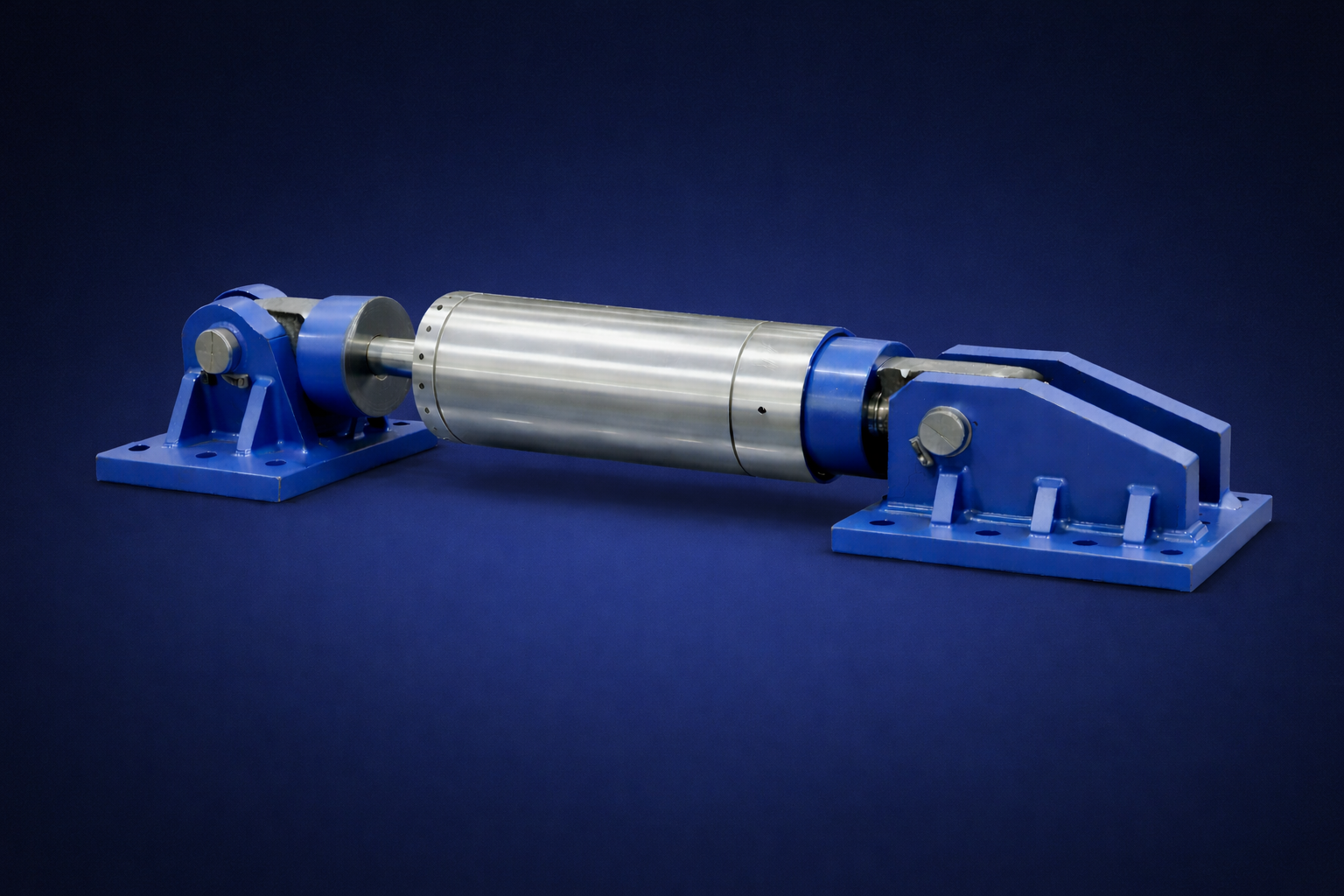
A Shock Transmission Unit (STU) is a specialized seismic protection device designed to control sudden dynamic movements in structures while allowing slow thermal movements under normal conditions. STUs are widely used in bridges, highways, railway structures, industrial plants, and large infrastructure projects located in earthquake-prone zones.
The primary function of an STU is to lock the structure during sudden impacts such as earthquakes, braking forces, or heavy vibrations. During normal expansion and contraction caused by temperature changes, the unit remains flexible and allows controlled movement.
This unique mechanism makes Shock Transmission Units highly effective for seismic protection applications.
How Shock Transmission Units Work
Shock Transmission Units operate based on hydraulic or mechanical resistance principles. Under slow movement conditions, such as thermal expansion, the internal fluid moves gradually, allowing the structure to shift naturally. However, during sudden seismic shocks or dynamic loads, the fluid stiffens instantly, restricting rapid displacement.
This mechanism helps:
- Reduce structural stress
- Prevent excessive movement
- Improve load distribution
- Protect bridge bearings and supports
- Increase overall structural stability
By controlling sudden movements, STUs significantly reduce the risk of structural damage during earthquakes.
Applications of Shock Transmission Units
Shock Transmission Units are extensively used in critical infrastructure projects where seismic safety is essential. Common applications include:
Bridges and Flyovers
Bridges are highly vulnerable to seismic movement due to their long spans and dynamic load conditions. STUs help maintain bridge alignment and reduce displacement during earthquakes.
Railway Infrastructure
Railway bridges and elevated rail corridors require protection from sudden vibrations and seismic shocks. STUs improve operational safety and structural reliability.
Industrial Facilities
Industrial plants, power stations, and manufacturing facilities use seismic protection systems to safeguard machinery, pipelines, and structural supports.
Highways and Expressways
Modern highway projects incorporate STUs and expansion joints to improve durability and seismic resistance.
Pipelines and Heavy Structures
Large pipelines and heavy structural systems use shock units to absorb movement and reduce stress concentrations.
Role of Expansion Joints in Earthquake Protection
Expansion joints are another essential component of earthquake-resistant infrastructure. These joints are designed to absorb movement caused by thermal expansion, seismic activity, and structural vibrations.
During an earthquake, expansion joints allow controlled movement between structural sections, preventing cracks and major damage. They also help distribute seismic energy more evenly throughout the structure.
When used together with Shock Transmission Units, expansion joints create a highly effective seismic protection system capable of improving the durability and safety of infrastructure projects.
Advanced Materials and Seismic Engineering
Modern seismic engineering increasingly relies on advanced materials and innovative construction techniques to improve earthquake resistance. High-strength steel, reinforced concrete, energy-dissipating dampers, and flexible structural systems all contribute to improved safety.
Engineers now use computer simulations, seismic modeling, and performance-based design methods to analyze how structures will behave during earthquakes. These technologies allow more accurate planning and better implementation of earthquake hazard prevention measures.
In addition, retrofitting older structures with seismic protection devices such as STUs and expansion joints has become a cost-effective solution for improving safety in existing infrastructure.
Importance of Monitoring and Early Warning Systems
Earthquake hazard prevention is not limited to structural design alone. Monitoring systems and early warning technologies play a major role in reducing risks and improving emergency response.
Seismic sensors and monitoring equipment help detect earthquake activity and provide valuable data for engineers and authorities. Early warning systems can issue alerts seconds before strong ground shaking begins, allowing transportation systems, industrial plants, and public facilities to take immediate protective action.
Combined with seismic-resistant infrastructure, these technologies help minimize casualties and infrastructure damage.
Conclusion
Earthquake hazard prevention is a crucial aspect of modern infrastructure development, especially in seismic-prone regions. Ground shaking, structural failure, and seismic displacement can cause devastating consequences if proper engineering measures are not implemented.
Technologies such as Shock Transmission Units (STUs), expansion joints, and advanced seismic-resistant materials play a vital role in protecting bridges, highways, industrial facilities, and other critical structures. By controlling sudden dynamic movements and reducing structural stress, STUs significantly improve the safety, stability, and durability of infrastructure during earthquakes.
As construction standards continue to evolve, the integration of seismic protection systems, advanced engineering practices, and monitoring technologies will remain essential for building resilient infrastructure capable of withstanding future seismic events.